Heavy Snow Load on the Roof: How Much Is Too Much?
August 25, 2026
Weak Attachment Methods
Maintenance and Inspection After Installation
Even high-quality gutter systems require routine maintenance to function properly. Leaves, twigs, roofing granules, and debris can block water flow and create overflow problems during storms. Clogged gutters place additional weight on the system and increase the risk of sagging or separation.
Seasonal cleaning helps maintain proper drainage and allows homeowners to identify early signs of wear. Areas surrounded by trees often require more frequent maintenance because debris accumulates faster throughout the year.
Gutter guards may help reduce maintenance needs, but no system completely eliminates the need for inspections. Professional evaluations help ensure hidden issues are identified before they develop into larger structural concerns.
Regular Cleaning Supports Performance
Identifying Early Warning Signs
Routine inspections help detect small problems before major water damage occurs. Common warning signs include peeling paint, rust spots, overflowing water, sagging sections, and moisture stains near exterior walls.
Water marks beneath the gutters often indicate leaks or improper alignment. Pools of water near the foundation after rainfall may suggest downspout discharge issues or insufficient drainage capacity. Addressing these concerns early helps extend gutter lifespan while reducing repair costs.
Homeowners should also inspect attic and basement areas for signs of moisture intrusion linked to drainage failures. Early intervention prevents minor gutter issues from escalating into widespread structural damage.
This is paragraph text. Click it or hit the Manage Text button to change the font, color, size, format, and more. To set up site-wide paragraph and title styles, go to Site Theme.
Frequently Asked Questions
Why do ice dams keep forming in the exact same spot every year?
Ice dams return in the same locations because the same heat loss pattern remains. Warm attic areas melt snow above cold eaves, creating repeated freezing points. The location reveals where insulation or air sealing may need improvement.
Are ice dams caused by my gutters or my shingles?
No, gutters and shingles do not create ice dams. They may suffer damage from them, but the cause is uneven roof temperatures from attic heat loss. Proper insulation, ventilation, and air sealing address the actual problem.
Does removing the snow from my roof fix the problem?
Removing snow can temporarily reduce ice dam formation by eliminating water sources. However, it does not correct heat loss or attic issues. Proper air sealing, insulation, and ventilation are needed to prevent recurring winter problems.
Will adding more roof vents get rid of my ice dams?
Adding vents alone will not eliminate ice dams. Effective ventilation requires balanced airflow between soffits and ridge vents. Combined with proper insulation and air sealing, it helps maintain consistent roof temperatures and reduce freezing issues.
Are icicles hanging off my gutters a sign of an ice dam?
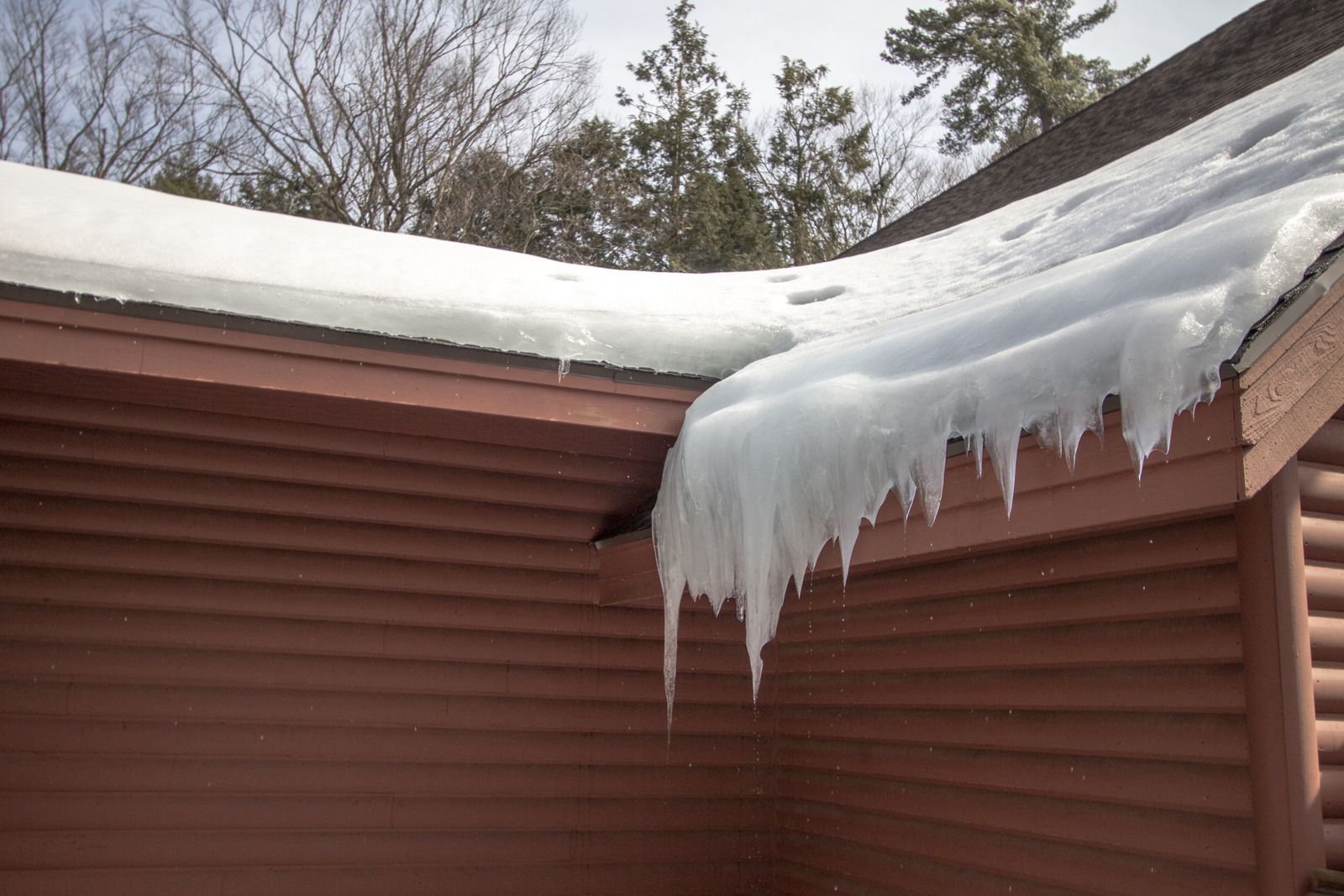
Large icicles near gutters can indicate melting snow refreezing at cold roof edges. While not always proof of damage, they often signal heat escaping through the attic and uneven roof temperatures that contribute to ice dams.
Why does my house get ice dams when my neighbor's doesn't?
Ice dams depend on attic conditions, not just weather. Differences in insulation, ventilation, and air sealing affect heat loss. A warmer attic melts snow faster, while a properly insulated home maintains colder roof surfaces and avoids dams.
Quick Answer: Most residential roofs are engineered to carry somewhere between 20 and 40+ pounds of snow per square foot, and in Bozeman city limits the current design roof snow load is 41 psf, with Gallatin County ranging from roughly 20 psf in the valley to nearly 96 psf at higher elevations. As a rough field estimate, 40 to 45 inches of fresh, dry snow or about 20 inches of wet, settled snow can approach that 20-psf danger threshold cited by structural engineers, and one inch of ice weighs about the same as a foot of fresh snow. The load on your roof matters less than how evenly it sits, so drifting, valleys, and ice buildup can push a roof past its limit long before the snow depth looks alarming. Sagging rooflines, sticking doors, new drywall cracks, and creaking under load are the signs that mean it is time to call a professional rather than watch and wait.
You walk out to the driveway after a three-day storm and notice the snow on your roof now stands taller than the snow on the ground. Wind pushed a drift up along the north slope overnight. The gutters have vanished under it. Somewhere beneath all that white, your trusses and rafters are doing the actual work of holding it up, and standing on the ground, you have no real way of knowing whether they're handling it fine or getting close to their limit.
That's the question every roof answers quietly, all winter long: how much weight can it take before something gives. The number isn't the same for every house. And it's rarely the total depth of snow that matters most — it's what that snow turned into by the time it settled. Here's how to actually read your roof's load instead of guessing at it.
What "Too Much" Actually Means on a Roof
Every roof built to code has a design snow load, measured in pounds per square foot, that it's engineered to carry without structural distress. That figure comes from the ground snow load in your area, then gets adjusted for roof shape, wind exposure, and how the building gets used.
The number is location-specific
Inside Bozeman city limits, the current 2021 building code design roof snow load is 41 psf, based on a 46-psf ground snow load. In unincorporated Gallatin County, requirements vary by elevation, from about 20.5 psf in valley areas to nearly 96 psf at higher elevations. Montana's statewide minimum is 30 psf after standard reductions unless an engineer documents a lower site-specific load.
Design load assumes snow is distributed evenly across a properly built roof under expected conditions. It is not a maximum amount of snow the roof can physically hold. Older framing, undersized members, previous damage, or deterioration can reduce actual capacity significantly.
Not All Snow Weighs the Same
Depth alone tells you almost nothing, because a foot of snow in December and a foot of snow in March can weigh completely different amounts.
Fresh, Dry Snow Is Light
Freshly fallen powder weighs around 3.75 pounds per cubic foot, so a large overnight snowfall can look more threatening than it actually is. Its low density keeps the overall roof load relatively modest.
Damp And Settled Snow Adds Up Fast
Damp fresh snow weighs closer to 7 pounds per cubic foot. After sitting for several days, snow settles and compresses, reaching roughly 15.6 pounds per cubic foot as air pockets disappear.
Wind-Packed And Wet Snow Are Heavier Still
Wind-packed snow can reach approximately 23.4 pounds per cubic foot because of compaction. Very wet snow from warm spring storms can approach 47 pounds per cubic foot, creating substantial roof loads.
Ice is the heaviest by far. A layer of solid ice weighs roughly 57 pounds per cubic foot, which is why a single inch of ice on a roof carries about the same weight as a full foot of fresh snow. A roof that shrugged off two feet of light powder in January can be under real stress from a much thinner layer of ice after a freeze-thaw cycle.
Translating Weight Into Inches on Your Roof
Engineers commonly point to roughly 20 pounds per square foot as the rough point where a typical, well-built roof starts approaching real risk, though the exact number depends on your specific structure and its design load.
Run that benchmark through the numbers and about 40 to 45 inches of fresh, dry powder would need to pile up before you hit that weight. Wet, settled snow gets there far sooner — often around 20 inches — because it's roughly four times denser than fresh powder. Ice shortens the math even further. A single inch of solid ice on your roof is roughly equivalent to a foot of fresh snow sitting on that same square footage.
Tip: Keep a simple wooden stake marked in inches somewhere you can see the roof from the ground, and jot down snowfall totals after each storm, along with whether it fell as light powder or wet, heavy snow. Over a season or two you'll have a real sense of how fast your specific roof accumulates weight — a lot more useful than eyeballing a pile of snow and guessing.
What Piles the Load Higher Than the Number Suggests
A roof rarely fails from perfectly even snow depth. It fails, or comes close, because the load stacks unevenly in ways the average depth doesn't capture.
Wind Creates Drifts, Not Flat Layers
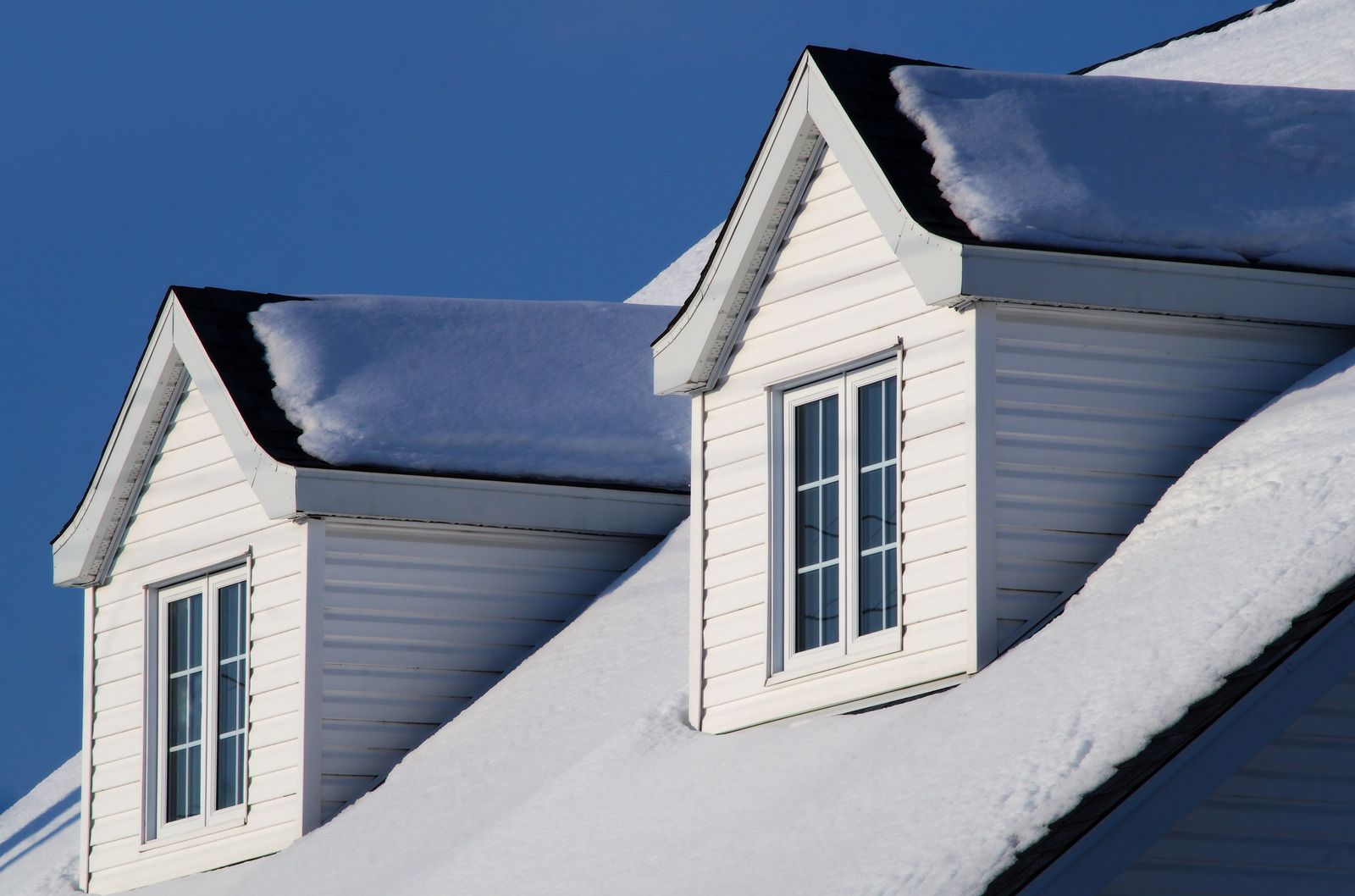
Wind moves snow from exposed slopes and piles it against parapets, dormers, chimneys, and downwind roof areas. One section can hold two or three times the average depth while another remains nearly bare.
Valleys And Low-Slope Sections Collect More
Roof valleys, where two slopes meet, naturally collect more snow. Low-slope and flat sections also retain deeper accumulations because gravity provides less assistance in moving snow away from the roof.
Rain-On-Snow Events Add Weight Without Adding Visible Depth
Warm rain falling onto an existing snowpack can soak through and add substantial weight. The roof load may increase significantly even though the snow appears nearly unchanged from the ground.
Older Or Modified Framing Changes The Equation
Older roofs built under previous codes may have less reserve capacity than newer construction. Added skylights, dormers, equipment, or other modifications can also change load distribution and affect structural performance.
Ice dams add a second, denser load on top of all this. An ice dam along the eave isn't just a drainage problem — it's a strip of dense ice sitting directly on the structure at the roof's edge, adding weight exactly where the framing is often thinnest and most exposed to cold.
Warning Signs Your Roof Is Under Too Much Load
The structure itself usually gives some notice before things go seriously wrong. Knowing what to watch for matters more than watching the sky.
A Visible Dip Or Sag In The Roofline
Any noticeable sag along the ridge or a section of roof sitting lower than the rest can indicate structural stress. Treat visible deformation as an urgent warning requiring prompt professional evaluation.
Interior Doors That Suddenly Stick Or Won't Latch
When roof framing bends under heavy snow loads, walls and door frames can shift slightly. Doors that previously opened and closed normally may suddenly stick, bind, or stop latching properly.
New Cracks In Drywall Or Plaster, Especially Over Doorways
Fresh cracks above interior doorways or window frames can indicate structural movement occurring above. While minor settling is common, sudden cracking after heavy snowfall deserves prompt attention and professional inspection.
Creaking, Popping, Or Cracking Sounds Under Load
New or increasingly loud creaking, popping, or cracking sounds during a snowstorm can indicate that roof framing is under significant stress. Leave the area and seek professional evaluation if concerning sounds continue.
Ceiling stains or leaks that show up specifically after a heavy snow event, separate from an ice dam at the eave, can mean the roof deck itself is being pushed past where it can perform.
Warning: If you see a sagging roofline, hear active creaking or cracking, or notice doors and drywall reacting to a heavy snow load, treat it as a structural emergency and get everyone clear of the space below — not as a signal to grab a shovel and go up yourself. Climbing onto a heavily loaded, often ice-covered roof is genuinely dangerous, both for the fall risk and because putting your own weight on an already-stressed structure can be the difference-maker in a partial collapse. Snow removal from a heavily loaded roof, and any inspection of a roof showing these signs, belongs to a professional working with the right equipment and a read on how the load is actually distributed.
Quick Answer: Most residential roofs are engineered to carry somewhere between 20 and 40+ pounds of snow per square foot, and in Bozeman city limits the current design roof snow load is 41 psf, with Gallatin County ranging from roughly 20 psf in the valley to nearly 96 psf at higher elevations. As a rough field estimate, 40 to 45 inches of fresh, dry snow or about 20 inches of wet, settled snow can approach that 20-psf danger threshold cited by structural engineers, and one inch of ice weighs about the same as a foot of fresh snow. The load on your roof matters less than how evenly it sits, so drifting, valleys, and ice buildup can push a roof past its limit long before the snow depth looks alarming. Sagging rooflines, sticking doors, new drywall cracks, and creaking under load are the signs that mean it is time to call a professional rather than watch and wait.
You walk out to the driveway after a three-day storm and notice the snow on your roof now stands taller than the snow on the ground. Wind pushed a drift up along the north slope overnight. The gutters have vanished under it. Somewhere beneath all that white, your trusses and rafters are doing the actual work of holding it up, and standing on the ground, you have no real way of knowing whether they're handling it fine or getting close to their limit.
That's the question every roof answers quietly, all winter long: how much weight can it take before something gives. The number isn't the same for every house. And it's rarely the total depth of snow that matters most — it's what that snow turned into by the time it settled. Here's how to actually read your roof's load instead of guessing at it.
Weak Attachment Methods
Maintenance and Inspection After Installation
Even high-quality gutter systems require routine maintenance to function properly. Leaves, twigs, roofing granules, and debris can block water flow and create overflow problems during storms. Clogged gutters place additional weight on the system and increase the risk of sagging or separation.
Seasonal cleaning helps maintain proper drainage and allows homeowners to identify early signs of wear. Areas surrounded by trees often require more frequent maintenance because debris accumulates faster throughout the year.
Gutter guards may help reduce maintenance needs, but no system completely eliminates the need for inspections. Professional evaluations help ensure hidden issues are identified before they develop into larger structural concerns.
Regular Cleaning Supports Performance
Identifying Early Warning Signs
Routine inspections help detect small problems before major water damage occurs. Common warning signs include peeling paint, rust spots, overflowing water, sagging sections, and moisture stains near exterior walls.
Water marks beneath the gutters often indicate leaks or improper alignment. Pools of water near the foundation after rainfall may suggest downspout discharge issues or insufficient drainage capacity. Addressing these concerns early helps extend gutter lifespan while reducing repair costs.
Homeowners should also inspect attic and basement areas for signs of moisture intrusion linked to drainage failures. Early intervention prevents minor gutter issues from escalating into widespread structural damage.
This is paragraph text. Click it or hit the Manage Text button to change the font, color, size, format, and more. To set up site-wide paragraph and title styles, go to Site Theme.
What to Do Before the Roof Reaches Its Limit
The safest snow load is the one that never gets the chance to stack up unevenly in the first place.
Clear accessible snow early and often with a roof rake. A long-handled rake used from the ground on lower, reachable sections keeps the load from building toward the denser, heavier layers that form as snow sits and compresses over time. Pay closer attention to the drift-prone spots specifically — the downwind side of the roof, the valleys, anywhere near a dormer or chimney — since those sections are the most likely to carry load the average depth won't show you.
An aging or modified roof is worth having assessed for its real remaining capacity before a heavy winter hits, rather than assuming it still performs the way it did when it was built. And once snow depth, ice buildup, or any of the warning signs above move past what a roof rake can safely reach, professional snow removal equipment and technique matter more than effort or ambition.
Frequently Asked Questions
How many inches of snow is dangerous for a roof?
There is no universal depth because snow density and roof design vary. Roughly, 40 to 45 inches of dry powder or 20 inches of wet snow can approach caution levels.
What is the design snow load for roofs in Bozeman and Gallatin County?
Bozeman's current design roof snow load is 41 psf, based on a 46-psf ground load. Gallatin County varies by elevation, while Montana's statewide minimum design roof snow load is 30 psf.
Does roof pitch affect how much snow it can hold?
Yes. Steeper roofs shed snow more effectively, while low-slope and flat sections retain deeper accumulations. Roof pitch does not change structural capacity, but it influences how much snow remains sitting on the roof.
Can I remove snow from my roof myself?
Light snow on ground-accessible sections can often be removed using a long-handled roof rake. Avoid climbing onto heavily loaded or icy roofs because falls and structural hazards make professional removal significantly safer in these situations.
How can I tell if my roof already has too much snow on it?
Warning signs include sagging rooflines, sticking interior doors, drywall cracks, unusual creaking, popping sounds, or ceiling stains after snowfall. These symptoms can indicate excessive structural loading and warrant prompt professional evaluation before conditions worsen.
Does ice weigh more than snow?
Yes. Solid ice weighs about 57 pounds per cubic foot, while fresh powder weighs roughly 3.75 pounds. Therefore, one inch of ice can add approximately the same weight as one foot of fresh snow.
What Winter Actually Teaches You About Your Roof
Snow depth on its own is a poor measure of what a roof is actually carrying. Density, drift patterns, and ice buildup do far more to determine the real load than any storm total does. A roof that handles two feet of powder without complaint can struggle under half that much wet, settled snow. Watching how the structure behaves across a full season tells you more than any single measurement taken from the driveway ever will.
Winters in the northern Rockies rarely deliver snow evenly, which is why local experience matters as much as the numbers on a code sheet. Iron Horse Exteriors
has spent 15+ years
working on roofs
in Bozeman, MT, and the surrounding valley, and that history shows in how quickly a drifted slope or a thickening ice dam gets recognized for what it is. Knowing your roof's habits through one hard winter makes every winter after it easier to read.