Ice Dams Forming Along Your Roof Edge Every Winter? Why They Happen
July 11, 2026
Weak Attachment Methods
Maintenance and Inspection After Installation
Even high-quality gutter systems require routine maintenance to function properly. Leaves, twigs, roofing granules, and debris can block water flow and create overflow problems during storms. Clogged gutters place additional weight on the system and increase the risk of sagging or separation.
Seasonal cleaning helps maintain proper drainage and allows homeowners to identify early signs of wear. Areas surrounded by trees often require more frequent maintenance because debris accumulates faster throughout the year.
Gutter guards may help reduce maintenance needs, but no system completely eliminates the need for inspections. Professional evaluations help ensure hidden issues are identified before they develop into larger structural concerns.
Regular Cleaning Supports Performance
Identifying Early Warning Signs
Routine inspections help detect small problems before major water damage occurs. Common warning signs include peeling paint, rust spots, overflowing water, sagging sections, and moisture stains near exterior walls.
Water marks beneath the gutters often indicate leaks or improper alignment. Pools of water near the foundation after rainfall may suggest downspout discharge issues or insufficient drainage capacity. Addressing these concerns early helps extend gutter lifespan while reducing repair costs.
Homeowners should also inspect attic and basement areas for signs of moisture intrusion linked to drainage failures. Early intervention prevents minor gutter issues from escalating into widespread structural damage.
This is paragraph text. Click it or hit the Manage Text button to change the font, color, size, format, and more. To set up site-wide paragraph and title styles, go to Site Theme.
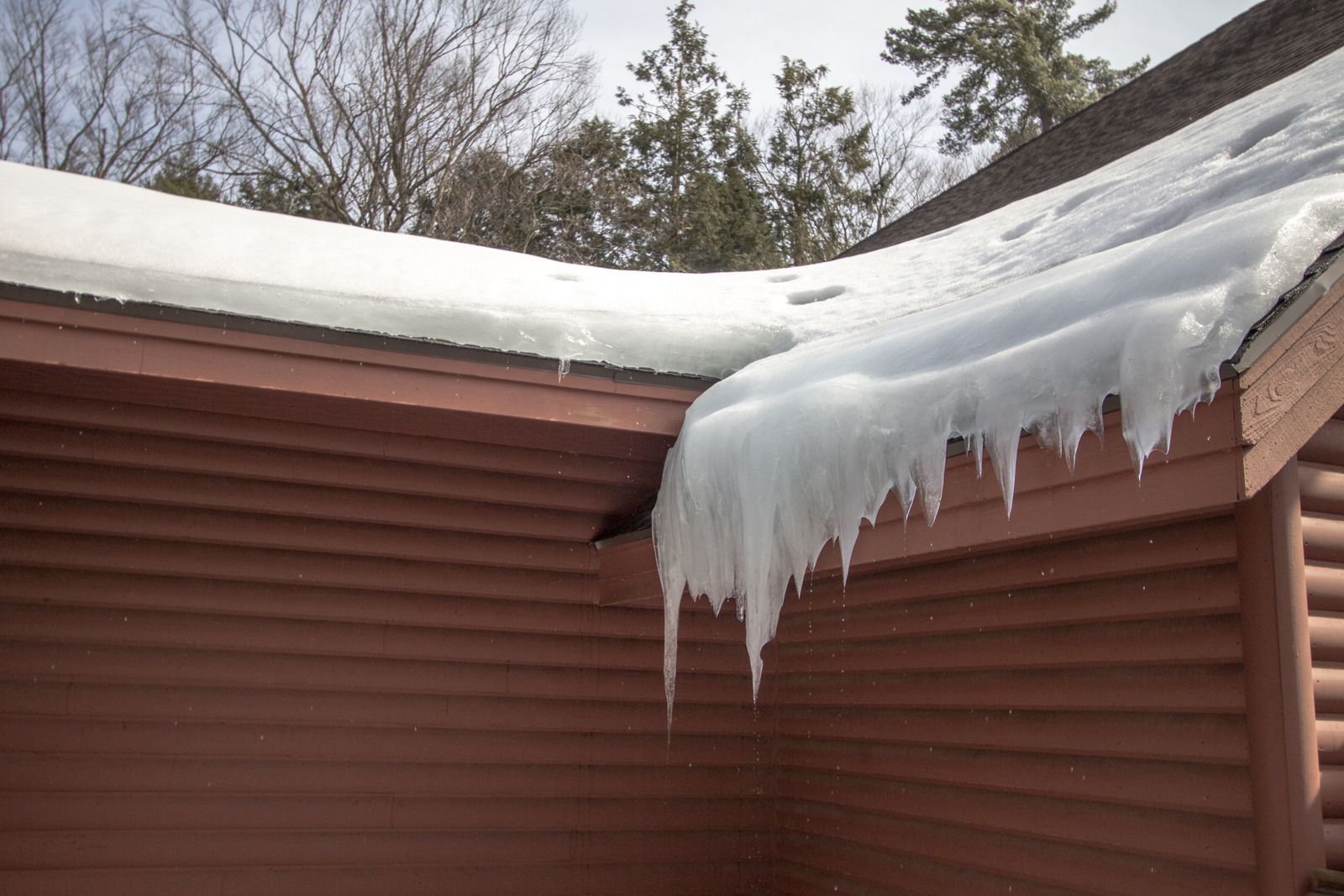
Quick Answer: An ice dam is a ridge of ice that forms along the cold edge of your roof and blocks melting snow from draining off. It happens when heat escaping into your attic warms the upper roof, melts the underside of the snow, and that meltwater runs down to the cold eave and refreezes. The dam grows, traps water behind it, and that water works up under the shingles and into the house. The root cause is almost never the roof itself, it is warm air leaking into the attic combined with snow cover and freezing outdoor temperatures.
You look up at the same spot every year. A thick lip of ice riding along the edge of the roof, fat icicles hanging off the gutter, and a stain slowly spreading across the bedroom ceiling that was not there in October. You knock the icicles down, maybe throw some salt up there, and by February it is back exactly where it was. Every winter, same edge, same problem.
That repeating pattern is telling you something. An ice dam is not bad luck or a freak cold snap, it is a predictable result of how heat, snow, and freezing air interact on your particular roof. Once you understand why it keeps forming in the same place, the fix stops being a yearly battle with a snow rake and becomes something you can actually solve. Here is what is happening up there and why it comes back.
What an Ice Dam Actually Is
An ice dam is a ridge of ice that builds up at the edge of a roof and stops melting snow from draining off the way it should. Behind that ridge, water pools instead of running into the gutter, and because it has nowhere to go, it starts looking for a way in.
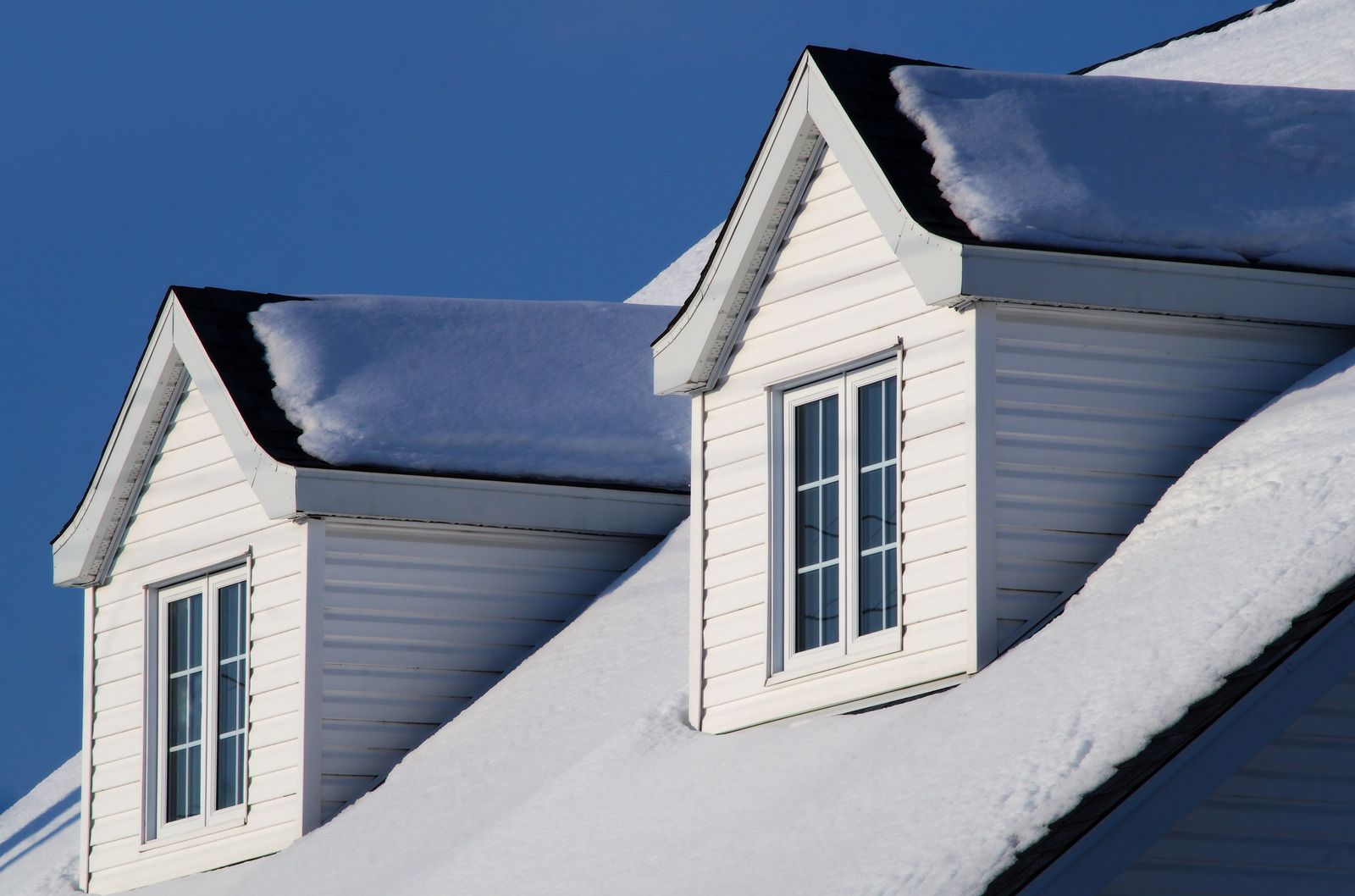
The mechanics are simpler than they look. For a dam to form, you need three things happening at once: snow sitting on the roof, an upper roof surface that is above freezing, and a lower roof surface, down near the edge, that is below freezing. Snow on the warm upper section melts. That water trickles down the roof under the snow blanket until it reaches the cold edge, where it hits below-freezing temperatures and turns back into ice. Do that over and over across a cold week and the ice at the edge grows into a solid dam.
The freezing point is the whole story here. Water melts and refreezes right around 32 degrees, so a roof that has some sections above that line and some below is a roof that manufactures ice dams. Those are sustained average temperatures across the surface, not a single moment, which is why a stretch of cold days with snow cover is prime dam-building weather.
Why the Edge of Your Roof Is Always the Spot
There is a reason the ice always shows up in the same place: the edge of your roof, the eaves and the gutter line, stays colder than the rest of the roof. The eave extends out past the heated walls of the house, hanging over open air, so nothing warms it from below. The main slope, by contrast, sits directly over your attic and whatever heat is collecting up there.
Heat moves to the roof three different ways
Warmth from inside the house reaches the underside of the roof deck through conduction, convection, and radiation. Conduction is heat traveling straight through solid material, the way a pan handle heats on a stove. Convection is warm air rising and carrying heat with it, and radiation is heat crossing open space as energy. All three quietly raise the temperature of your roof deck from below, but only over the heated part of the house, not the overhanging edge.
That temperature split is the engine
Because the slope over your attic runs warmer while the eave stays frozen, you get exactly the condition a dam needs. Snow melts up high, water runs down, and it freezes solid the moment it reaches the cold overhang. A flatter roof pitch makes it worse, since meltwater moves more slowly and has more time to refreeze before it clears the edge. Steep mountain-style roofs shed better, but no pitch is immune when the attic is feeding heat into the deck.
The Real Culprit Is Heat Leaking Into Your Attic
Here is the part most homeowners get backwards. Ice dams are not caused by your roofing, your gutters, or your shingles. They are caused by a house that is leaking warm air into the attic. Fix the roof-edge symptom all you want, the dam comes back until you address the heat.
Air leakage does most of the damage
Every gap where warm indoor air sneaks into the attic is a heat source melting your snow from below. Think about the penetrations you never see: gaps around wiring and plumbing vents, the seams around light fixtures, an unsealed attic hatch, the space behind knee walls. Warm, moist household air rises through those openings and pools against the roof deck. In a lot of homes this air leakage is the single biggest reason the roof runs warm enough to melt snow.
Then there are the obvious heat sources
Recessed can lights, especially older ones, dump a surprising amount of heat straight up into the attic. Chimneys that run through the attic radiate warmth from every fire you light. Leaky or poorly insulated HVAC ductwork bleeds heated air into the space it passes through. Kitchen, bath, and dryer vents that dump warm moist air into the attic instead of all the way outside add both heat and moisture. Each of these keeps the roof deck warmer than the frozen eave, and each one feeds the dam.
Insulation is the other half
Even with the leaks sealed, thin or uneven attic insulation lets heat conduct straight up through the ceiling into the attic. Insulation near the eaves is often the thinnest of all, which is the worst possible place for it, because that is exactly where you want the roof deck to stay cold. Weak insulation and open air leaks together are what turn a normal snowy roof into a dam factory.
What Actually Stops Ice Dams
Because the real cause is heat in the attic, the real fix works from the inside, not from a ladder in January. The goal is simple to state: keep the whole roof close to the same cold temperature as the eaves, so nothing melts unevenly.
Seal the air leaks first
Making the ceiling airtight so warm, moist household air cannot flow up into the attic is the highest-value step, because air leakage is usually the biggest heat source. That means sealing around wiring, plumbing penetrations, light fixtures, the attic hatch, and chimney gaps with the right materials for each spot.
Add insulation to the right depth
Once the leaks are sealed, thick, even insulation across the attic floor cuts the heat that conducts up through the ceiling. Many cold-climate guidelines point to an attic insulation value in the range of R-38 and up, with R-49 or higher favored in northern climates like this one, and special attention paid to the thin spots near the eaves.
Let the roof deck breathe
Balanced ventilation, cold air entering low at continuous soffit vents and exiting high at a ridge vent, keeps the underside of the roof deck cold and uniform. Baffles at the eaves preserve a clear airflow path so insulation does not choke off the intake. Done right, the roof stays cold edge to peak and the melt-freeze cycle largely stops.
Warning: Do not try to fix a dam by chipping the ice with tools, dumping chemicals on it, or aiming heat at it, and be cautious about heating cables and add-on roof vents, which often shorten roof life or make the problem worse rather than solving it. Getting up on an icy roof to hack at a dam is genuinely dangerous work that risks injury and roof damage in equal measure. Clearing snow with a long-handled roof rake from the ground is far safer, and anything beyond that belongs in a professional's hands.
Because so much of the real work happens in the attic and along the roof-and-wall connection, sorting it out takes someone who can trace where the heat is escaping and confirm the roof edge and flashing are sound. That is a very different job than knocking icicles down every February and hoping this is the year they do not come back.
Frequently Asked Questions
Why do ice dams keep forming in the exact same spot every year?
Ice dams return in the same locations because the same heat loss pattern remains. Warm attic areas melt snow above cold eaves, creating repeated freezing points. The location reveals where insulation or air sealing may need improvement.
Are ice dams caused by my gutters or my shingles?
No, gutters and shingles do not create ice dams. They may suffer damage from them, but the cause is uneven roof temperatures from attic heat loss. Proper insulation, ventilation, and air sealing address the actual problem.
Does removing the snow from my roof fix the problem?
Removing snow can temporarily reduce ice dam formation by eliminating water sources. However, it does not correct heat loss or attic issues. Proper air sealing, insulation, and ventilation are needed to prevent recurring winter problems.
Will adding more roof vents get rid of my ice dams?
Adding vents alone will not eliminate ice dams. Effective ventilation requires balanced airflow between soffits and ridge vents. Combined with proper insulation and air sealing, it helps maintain consistent roof temperatures and reduce freezing issues.
Are icicles hanging off my gutters a sign of an ice dam?
Large icicles near gutters can indicate melting snow refreezing at cold roof edges. While not always proof of damage, they often signal heat escaping through the attic and uneven roof temperatures that contribute to ice dams.
Why does my house get ice dams when my neighbor's doesn't?
Ice dams depend on attic conditions, not just weather. Differences in insulation, ventilation, and air sealing affect heat loss. A warmer attic melts snow faster, while a properly insulated home maintains colder roof surfaces and avoids dams.
Getting Off the Yearly Ice Dam Treadmill
If you have watched the same ridge of ice build along your roof edge every single winter, the message is not that your roof is failing, it is that heat is escaping into your attic and refreezing at the cold overhang. The snow, the cold, and the eaves are not going to change. What can change is how much warm air reaches your roof deck, and that is where the real fix lives. Seal the leaks, get the insulation and ventilation right, and keep the whole roof cold and uniform, and the dam loses the uneven melting it depends on.
Schedule a winter-readiness roof and attic assessment in Bozeman, Montana
— Iron Horse Exteriors
brings 15+ years of experience tracing where heat is escaping into your attic, checking the insulation, ventilation, and air sealing that keep your roof edge cold, and confirming your eaves, flashing, and shingles are sound so meltwater drains instead of backing up. Get it looked at before the deep snow sets in, break the yearly ice dam cycle for good, and head into a Montana winter with a roof that stays clear edge to peak.