The Benefits of Switching to Metal Roofing for Long-Term Savings
April 21, 2026
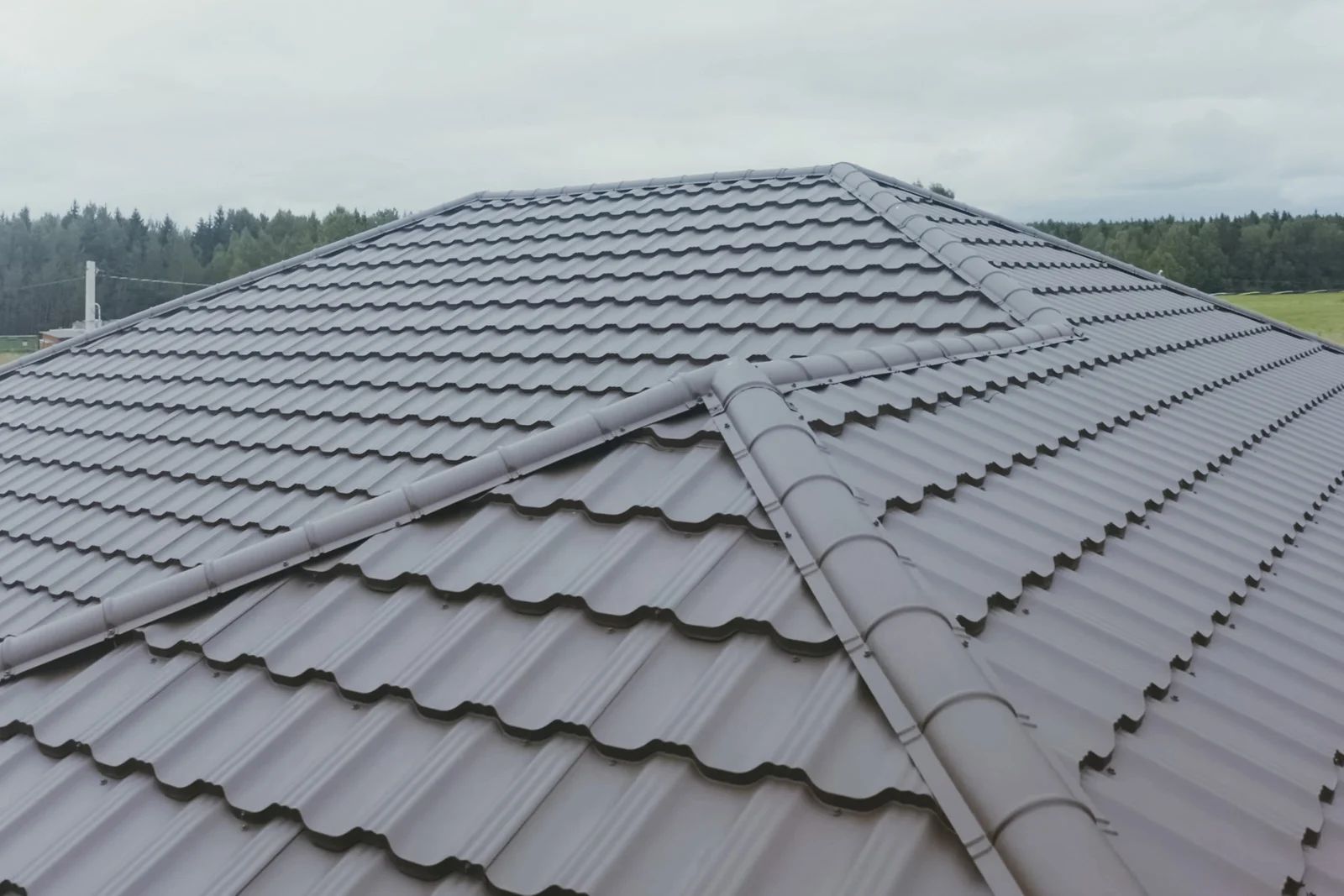
Metal roofing has steadily evolved from a niche construction choice to a mainstream solution for property owners seeking durability, efficiency, and long-term financial savings. As building standards rise and climate conditions become increasingly unpredictable, the demand for roofing systems that offer both resilience and value continues to grow. Among the available options, metal roofing stands out for its ability to combine structural strength with long-term cost efficiency, making it a strategic investment rather than a short-term expense.
Modern construction priorities are no longer limited to initial installation costs. Instead, lifecycle performance, energy efficiency, and maintenance requirements play a defining role in decision-making. Metal roofing aligns with these priorities by offering extended service life, reduced repair frequency, and improved thermal performance compared to traditional materials. Its growing adoption across residential, commercial, and industrial projects reflects a shift toward smarter building practices focused on sustainability and return on investment.
This blog explores the key financial and functional advantages of switching to metal roofing. It breaks down how this material reduces long-term expenses, improves energy efficiency, and enhances property value. Understanding these benefits allows property owners to make informed decisions that support both immediate needs and long-term financial stability.
1. Metal Roofing as a Long-Term Investment Choice
Understanding Lifecycle Cost Advantages
Metal roofing should be evaluated not only on initial installation cost but on total lifecycle value over decades of use. While upfront expenses are higher than those of asphalt shingles, the long lifespan reduces replacement cycles significantly. This results in fewer disruptions, lower long-term spending, and improved financial efficiency for property owners across residential and commercial structures overall in general use.
Reduced Replacement Frequency
Traditional roofing materials such as asphalt shingles generally require replacement every fifteen to twenty-five years, depending on climate exposure and maintenance quality. Metal roofing significantly reduces this cycle by lasting several decades longer. This extended durability minimizes repeated installation costs, reduces labor expenses, and decreases material waste across the building lifecycle consistently over time in practical terms.
Financial Predictability Over Time
Metal roofing systems provide long-term financial predictability by reducing unexpected repair and replacement costs over decades of building use. Instead of frequent budgeting for roof failures or deterioration, owners can plan expenses more accurately. This stability benefits residential homeowners and commercial investors seeking consistent operational costs and reduced financial uncertainty throughout asset ownership periods over time.
Example Scenario
A property owner who installs asphalt shingles twice over a forty-year period will likely spend more cumulatively than installing a single metal roofing system initially. Even though metal roofing has a higher upfront cost, reduced replacement frequency and lower maintenance expenses create long-term savings that improve overall investment value significantly across ownership duration in reality case.
2. Energy Efficiency and Reduced Utility Costs
3. Durability and Extreme Weather Resistance
Resistance to Harsh Environmental Conditions
Metal roofing systems are engineered to withstand extreme environmental conditions such as heavy rainfall, strong winds, hail impact, and significant snow loads. Their structural strength allows them to maintain integrity where other roofing materials may fail. This durability ensures long-term protection for buildings, reducing damage risks during severe weather events across multiple regions in diverse climates worldwide.
Wind Uplift Protection
Properly installed metal roofing systems use interlocking panel designs that significantly reduce the risk of wind uplift during storms and high wind events. These secure fastening mechanisms improve roof stability and prevent structural separation. As a result, buildings gain enhanced protection in regions prone to hurricanes, tornadoes, and strong seasonal wind activity patterns across extreme weather conditions.
Fire Resistance Advantage
Unlike wood-based roofing materials, metal roofing does not ignite easily, providing a higher level of fire resistance for residential and commercial buildings. This property helps slow the spread of fire, giving occupants additional time to respond. Enhanced fire safety makes metal roofing a preferred choice in wildfire-prone and high-risk areas in critical hazard zones especially.
Snow and Ice Performance
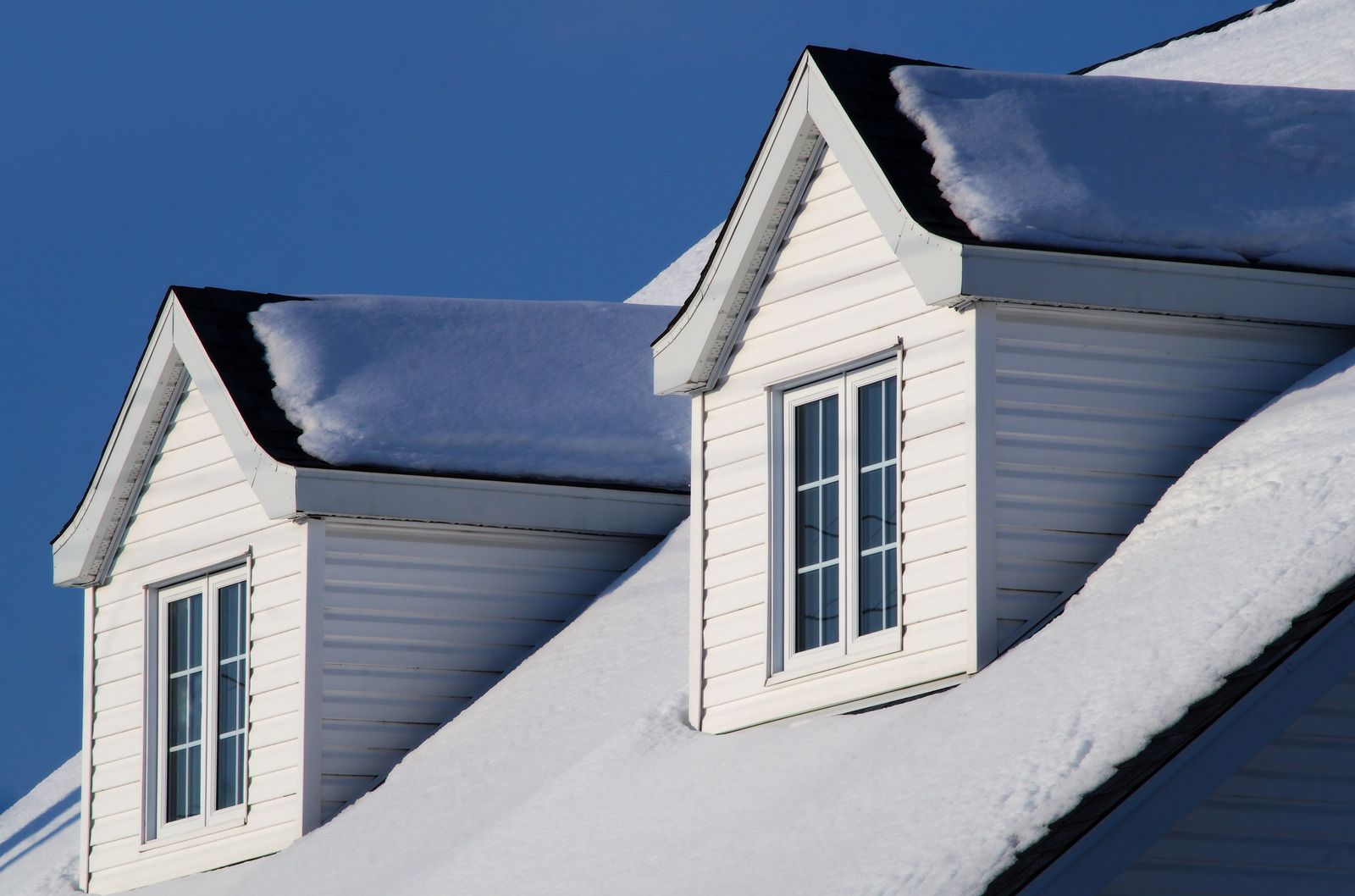
Metal roofing surfaces allow snow and ice to slide off more efficiently compared to traditional roofing materials, reducing accumulation and structural load stress. This performance helps prevent ice dam formation and related water damage issues. Improved snow shedding capability enhances roof longevity and protects interior structures from moisture intrusion during winter seasons, effectively in cold climate regions overall.
Long-Term Structural Reliability
Over extended periods of exposure to environmental stress, metal roofing maintains structural integrity far better than materials that crack, warp, or deteriorate over time. Its resistance to corrosion and physical damage ensures long-lasting performance. This reliability reduces the need for major repairs and supports consistent building protection across decades of service life in sustained usage environments.
4. Maintenance Reduction and Lower Repair Costs
Trusted Maintenance Reduction Benefits Iron Horse Exteriors Roofing
Metal roofing delivers measurable long-term savings through reduced maintenance, improved energy efficiency, and extended structural lifespan. Its ability to withstand extreme weather while minimizing repair frequency makes it a practical solution for property owners focused on financial efficiency and durability. Over time, the reduced lifecycle cost and energy savings outweigh initial installation expenses, reinforcing its value as a strategic building investment. Beyond cost benefits, metal roofing also enhances property value and supports environmentally responsible construction practices, making it suitable for modern residential and commercial applications.
Iron Horse Exteriors
operates as a trusted siding contractor known for delivering high-quality exterior solutions tailored to long-term performance and durability. With over 15
years of experience serving Bozeman, Montana, the focus remains on providing reliable craftsmanship and solutions that align with evolving building standards. Metal roofing installations are approached with precision, ensuring structural integrity, energy efficiency, and lasting value for every project. Each installation reflects a commitment to durability and customer-focused service, helping property owners achieve both immediate improvements and long-term savings through superior exterior systems designed to withstand demanding environmental conditions.