The Importance of Proper Gutter Installation to Prevent Water Damage
May 31, 2026
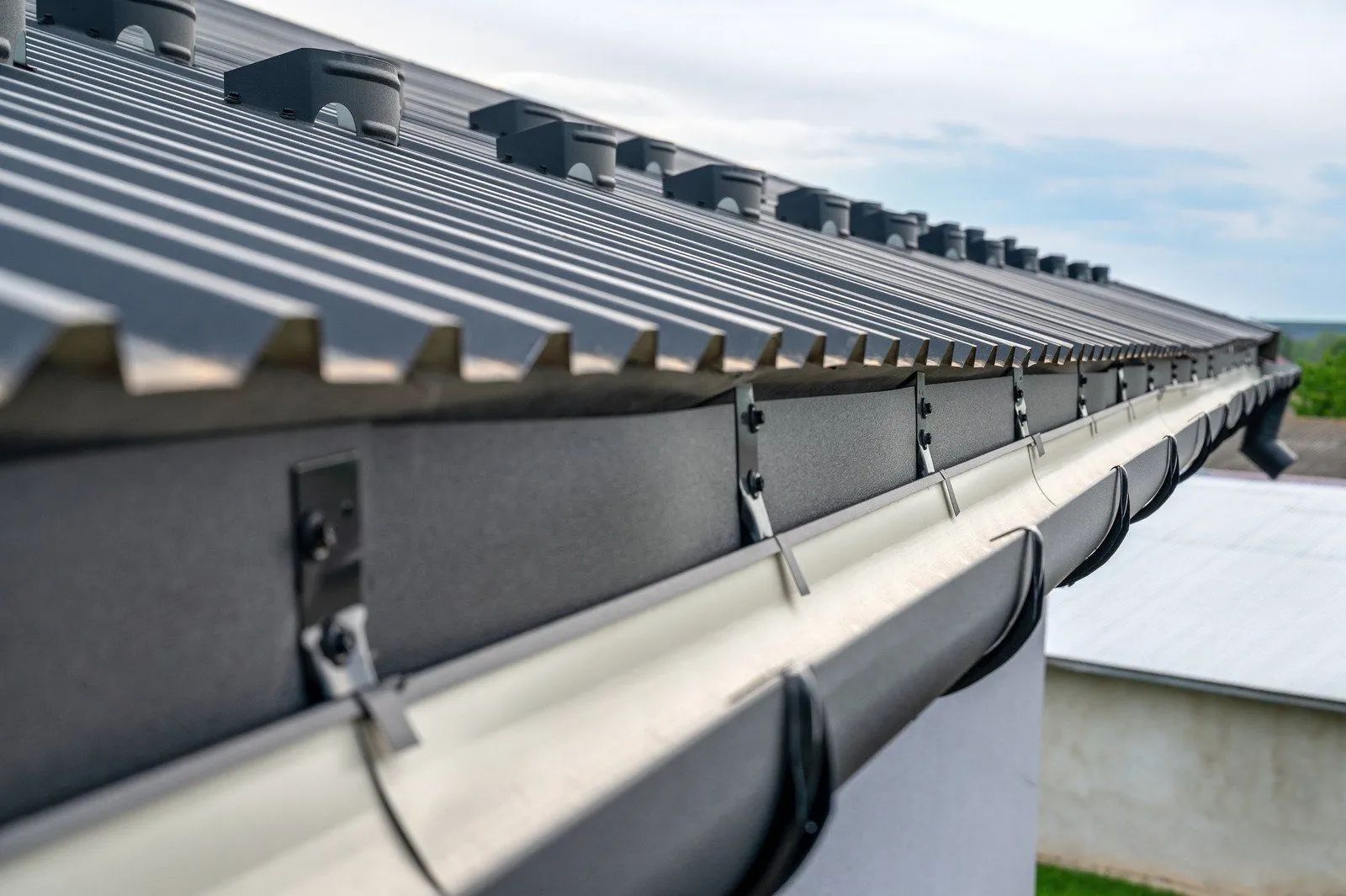
Water management plays a major role in protecting residential and commercial properties from long-term structural damage. While roofing systems often receive the most attention, gutters are equally important because they control how rainwater moves away from the building. Without properly installed gutters, water can overflow near the foundation, damage siding, weaken landscaping, and create moisture problems that affect both exterior and interior areas of a property. Many homeowners underestimate the importance of professional gutter installation until visible signs of damage begin to appear. Problems such as basement leaks, wood rot, mold growth, soil erosion, and cracked foundations often begin with poor drainage around the structure. Proper gutter systems help direct rainwater safely away from vulnerable areas while supporting the overall durability of the property.
Modern gutter systems are designed to handle large amounts of water during seasonal storms, snowmelt, and changing weather conditions. However, installation quality directly impacts performance. Incorrect slope alignment, undersized gutters, weak fasteners, or poorly placed downspouts can cause major drainage failures over time. Understanding how professional gutter installation protects a property helps homeowners make informed decisions about maintenance, upgrades, and replacement planning. Investing in proper installation not only reduces water-related risks but also helps preserve structural stability, curb appeal, and long-term property value throughout every season.
How Gutters Protect a Property from Water Damage?
Controlling Roof Runoff
Gutters are designed to collect rainwater flowing from the roof and channel it away from the property through strategically placed downspouts. Without this drainage system, water falls directly near the foundation and exterior walls, increasing the likelihood of structural deterioration. Proper installation ensures water flows smoothly without pooling or overflowing during heavy rainfall.
Professional installers carefully calculate gutter placement, pitch, and downspout positioning to support steady drainage. Even small alignment issues can interrupt water flow and create standing water inside the gutter system. Over time, trapped moisture contributes to rust, sagging, leaks, and separation from the fascia boards.
Homes located in regions with frequent rain or snow require gutter systems capable of handling seasonal runoff. Properly sized gutters reduce overflow risks while protecting surrounding landscaping, siding, and walkways from excessive water exposure.
Preventing Foundation Problems
Foundation damage remains one of the most expensive consequences of poor drainage. When rainwater collects near the base of a property, the soil expands and contracts repeatedly as moisture levels change. This movement places pressure on the foundation and can eventually lead to cracks, shifting, and settling issues.
Proper gutter installation helps move water away from the structure before it saturates the surrounding soil. Downspouts positioned too close to the home often allow water to return toward the foundation, which defeats the purpose of the system. Professional installation includes planning safe discharge areas that reduce soil erosion and moisture accumulation.
Many basement leaks originate from poor exterior drainage rather than plumbing failures. Redirecting roof runoff away from the property helps minimize hydrostatic pressure against basement walls and lowers the likelihood of water intrusion.
Common Problems Caused by Improper Gutter Installation
Incorrect Gutter Slope
Weak Attachment Methods
The Role of Downspouts in Water Management
Directing Water Away from the Structure
Downspouts play a critical role in moving water safely away from the property after it leaves the gutters. Even properly installed gutters cannot protect a structure if downspouts discharge water too close to the foundation. Professional placement helps reduce erosion and controls drainage around vulnerable areas.
Extensions, splash blocks, and underground drainage systems may be necessary depending on the property's grading and soil conditions. Sloped landscapes often require additional planning to prevent runoff from returning toward the home.
Homes with insufficient downspouts may experience overflowing gutters during storms because the system cannot discharge water fast enough. Adding properly spaced downspouts improves drainage capacity and reduces strain on the gutter system.
Preventing Landscape and Exterior Damage
Excessive roof runoff can severely damage landscaping, mulch beds, walkways, and exterior surfaces. Water pouring directly from roof edges creates trenches in soil, kills vegetation, and stains siding materials over time.
Properly installed downspouts help distribute water more safely while preserving the appearance of outdoor areas. Drainage planning becomes especially important around patios, driveways, and entryways where standing water can create slipping hazards or surface deterioration.
In colder climates, poor drainage near walkways may contribute to ice accumulation during winter months. Redirecting water farther from pedestrian areas improves safety while reducing freeze-related damage around the property.
Choosing the Right Gutter System for Long-Term Protection
Material Selection Matters
Seamless Gutters Reduce Leak Risks
Maintenance and Inspection After Installation
Regular Cleaning Supports Performance
Even high-quality gutter systems require routine maintenance to function properly. Leaves, twigs, roofing granules, and debris can block water flow and create overflow problems during storms. Clogged gutters place additional weight on the system and increase the risk of sagging or separation.
Seasonal cleaning helps maintain proper drainage and allows homeowners to identify early signs of wear. Areas surrounded by trees often require more frequent maintenance because debris accumulates faster throughout the year.
Gutter guards may help reduce maintenance needs, but no system completely eliminates the need for inspections. Professional evaluations help ensure hidden issues are identified before they develop into larger structural concerns.
Identifying Early Warning Signs
Routine inspections help detect small problems before major water damage occurs. Common warning signs include peeling paint, rust spots, overflowing water, sagging sections, and moisture stains near exterior walls.
Water marks beneath the gutters often indicate leaks or improper alignment. Pools of water near the foundation after rainfall may suggest downspout discharge issues or insufficient drainage capacity. Addressing these concerns early helps extend gutter lifespan while reducing repair costs.
Homeowners should also inspect attic and basement areas for signs of moisture intrusion linked to drainage failures. Early intervention prevents minor gutter issues from escalating into widespread structural damage.
Dedicated Exterior Installation Services for Stronger Home Protection
Proper gutter installation plays a vital role in protecting homes and commercial properties from costly water damage. A professionally designed drainage system helps control roof runoff, protect foundations, preserve landscaping, and reduce long-term structural risks associated with poor water management. Routine maintenance, quality materials, and professional installation all contribute to better gutter performance throughout changing weather conditions. Investing in a properly installed system not only improves drainage but also protects curb appeal, property value, and overall structural durability for years to come.
For homeowners seeking dependable exterior protection, Iron Horse Exteriors
provides trusted experience backed by more than 15
years serving properties in Bozeman, Montana. As a siding contractor with extensive knowledge of exterior water management systems, we understand how gutters, siding, roofing, and drainage work together to protect a structure from moisture-related damage. Our approach focuses on long-term solutions designed to support durability, appearance, and structural integrity throughout every season. We carefully evaluate drainage patterns, installation requirements, and exterior conditions to help homeowners reduce water intrusion risks before costly problems develop. Homeowners who invest in professional exterior improvements gain greater confidence knowing their property has stronger protection against water damage and long-term structural concerns.