How Does Professional Snow Removal Protect Your Property and Safety?
June 29, 2026
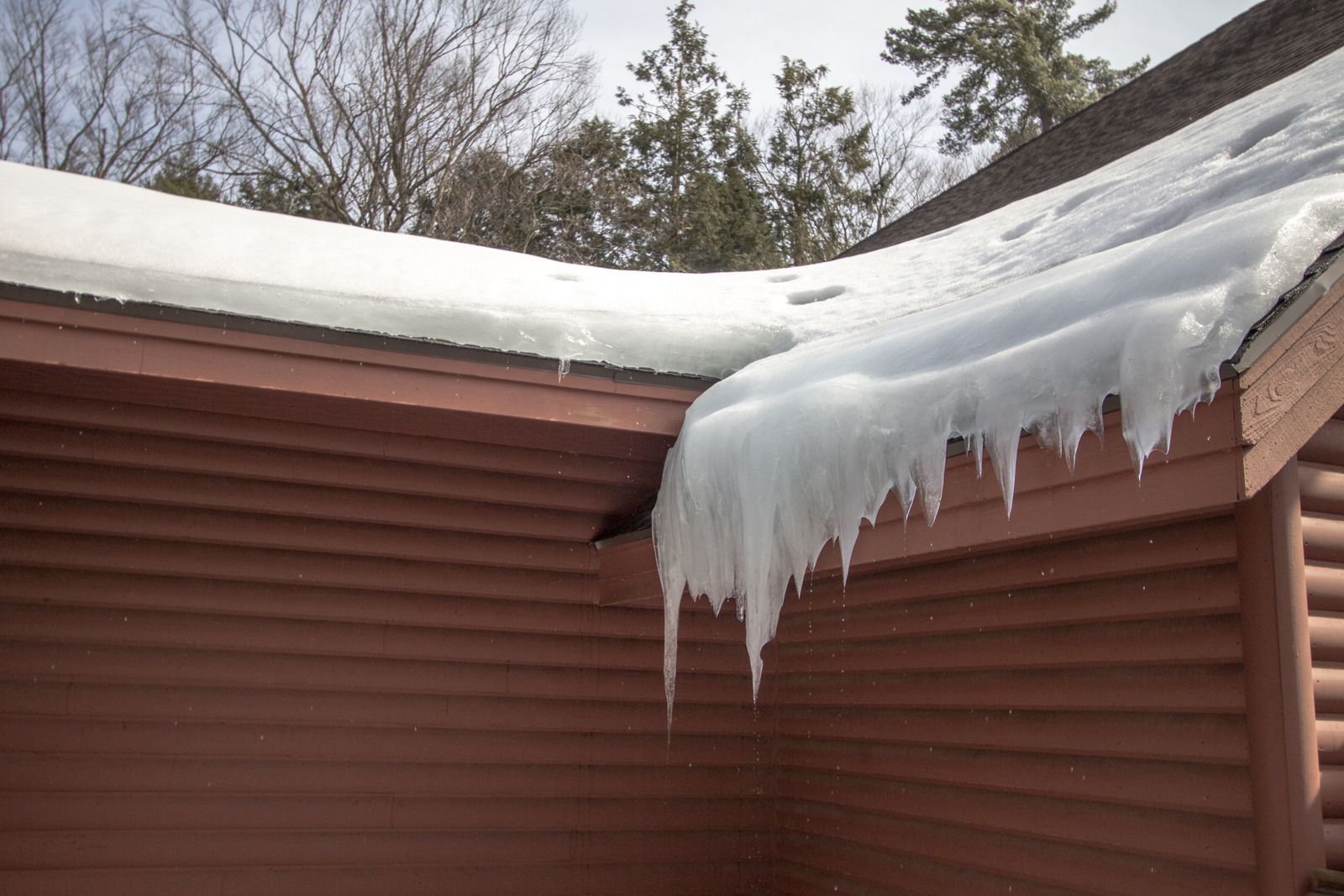
You step out to grab the mail and the driveway is a sheet of glass. Up on the roof, a thick cap of snow has slid toward the eaves and frozen into a ridge of ice that was not there last week.
Here is the part that matters most. Snow and ice damage your home long before anything visibly breaks, and the safest fix is rarely the one you do yourself in a parka at dusk. Wet snow is heavy, ice moves where you do not want it, and one hard freeze turns a small problem into a structural one. After clearing roofs and walkways through more cold seasons than we care to count, we see the same avoidable failures repeat every January. Almost all of them come down to three things: load, water, and traction. Get those right and your property, along with the people on it, stays protected.
What to handle first when snow starts stacking up
Move fast and in order, because the first melt and refreeze is when most damage starts. Act before that cycle, not after it.
Clear walkways, steps, and entries to the surface, then treat them so a thin melt layer cannot refreeze into black ice overnight. Pull snow off the lower 3 to 4 feet of your roof edge with a rake from the ground, since that is where ice dams form. Keep plowed snow piled at least 3 feet back from your foundation and siding so meltwater drains away from the house, not into it. Then check that furnace, water heater, and dryer vents are not buried.
WARNING: Never climb onto a snow loaded or icy roof to clear it yourself, and never let snow bury a wall or roof vent. Winter roof falls injure people every season, and a blocked exhaust vent can push carbon monoxide back inside. If a vent is buried or something smells off, get everyone outside and call for help.
TIP: Spread a calcium chloride based melt on walkways before the storm, not after. A thin pretreated layer keeps ice from bonding to the concrete, so the morning clear takes minutes instead of a chisel and a sore back.
Why snow and ice do more than sit there
Snow does its worst work through weight and water. Wet snow can weigh 15 to 20 pounds per cubic foot, and ice closer to 57, so a foot of packed snow across an average roof adds several tons your framing has to carry. Back to back storms with no melt between them stack that load faster than people expect.
Then there is the ice dam, the failure we get called about most. Heat escaping the roof melts the underside of the snowpack, that water runs to the cold eaves and refreezes, and a ridge of ice builds. More meltwater pools behind it and works under your shingles, then into the soffit, fascia, and siding below. By the time a stain shows on the wall, water has been moving inside the assembly for days.
At ground level, freeze thaw does the slow damage. Water seeps into hairline cracks in concrete, freezes, and expands about 9 percent. Each cycle pries the crack wider, so a driveway that looked fine in October can spiderweb by March. Snow melting against a foundation does the same to the soil, pushing water toward the basement.
The safety risks people underestimate
What professional snow removal actually protects
Where do it yourself snow removal backfires
Most winter mistakes come from good instincts at the wrong moment. People wait until the storm ends to start clearing, but by then the bottom layer has already melted and refrozen into the exact ice they were trying to avoid. Clear early and often, not once and hard.
Chipping ice off a roof or gutter with a metal shovel or hatchet is another one. It feels productive. It also gouges shingles and cracks gutters, opening a fresh leak for next year. Ice should be melted and managed, not chopped. Rock salt is a third trap. It melts ice but drives freeze thaw into fresh concrete, pitting the slab over a few seasons, so a calcium chloride blend is the safer choice.
Reading a hard mountain winter
Winters here do not behave like the national average, and that changes how snow has to be handled. Cold sets in early and holds, so snow that falls in November can still sit on a north slope in March, building an ice layer the whole time. The big daily temperature swings are the real trouble. A sunny afternoon melts the snowpack, a clear night drops well below freezing, and that cycle grows ice dams and black ice faster than steadier climates do.
Heavy spring storms add the load risk. Late season snow lands dense and piles on a roof already tired from months of buildup, and that is when sagging and leaks show up. Roofs and walkways never cleared right all winter tend to fail at the very end of it, right when everyone assumes the worst is behind them.
Frequently Asked Questions
How often should snow be removed from my roof in winter?
Clear the lower roof edge whenever 6 or more inches build up, and after every heavy or wet storm. Frequent light clearing prevents ice dams far better than one big effort, since ice forms from repeated melt and refreeze, not depth alone.
Is removing snow from my own roof safe?
Working on a snow loaded or icy roof is one of the most dangerous home jobs in winter, and we recommend against it. Use a long roof rake from the ground for the eaves, and leave anything beyond reach to professionals with proper footing.
What is an ice dam and why is it a problem?
An ice dam is a ridge of ice at your roof edge that traps meltwater behind it. That trapped water backs up under your shingles and leaks into the soffit, fascia, and siding, causing interior damage long before any icicle looks alarming.
Will piled snow really hurt my foundation or siding?
Yes. Snow piled against the house melts straight down into the soil and against the siding, saturating both. That moisture works toward the basement and sits behind exterior boards. Keep plowed snow at least 3 feet from the walls so meltwater drains away.
When should I stop and call a professional?
Call right away if your roof framing creaks, doors start sticking, ceilings crack, or a vent sits buried in snow. Those point to dangerous load or blocked exhaust. Also call before heavy spring storms, when wet snow stacks load fastest on an already tired roof.
Local Specialists Protecting Property Through Hard Mountain Winters
Every winter failure we get called to fix traces back to the same three things: load left to build, water left to refreeze, and traction left to chance. Stay ahead of those and your home holds up. The catch is that long cold stretches, wild temperature swings, and heavy spring snow make all three harder to manage here, and the damage tends to surface right when you have stopped watching for it. That is the work we do at Iron Horse Exteriors. With 15 years of protecting homes through hard mountain winters, we clear roofs, walks, and foundations before snow and ice become structural and safety problems across Bozeman, Montana. If your roof is stacking up or your walks keep glazing over, reach out and we will get ahead of it before the next freeze.