How to Identify Roof Damage Before It Becomes a Major Problem
December 27, 2025
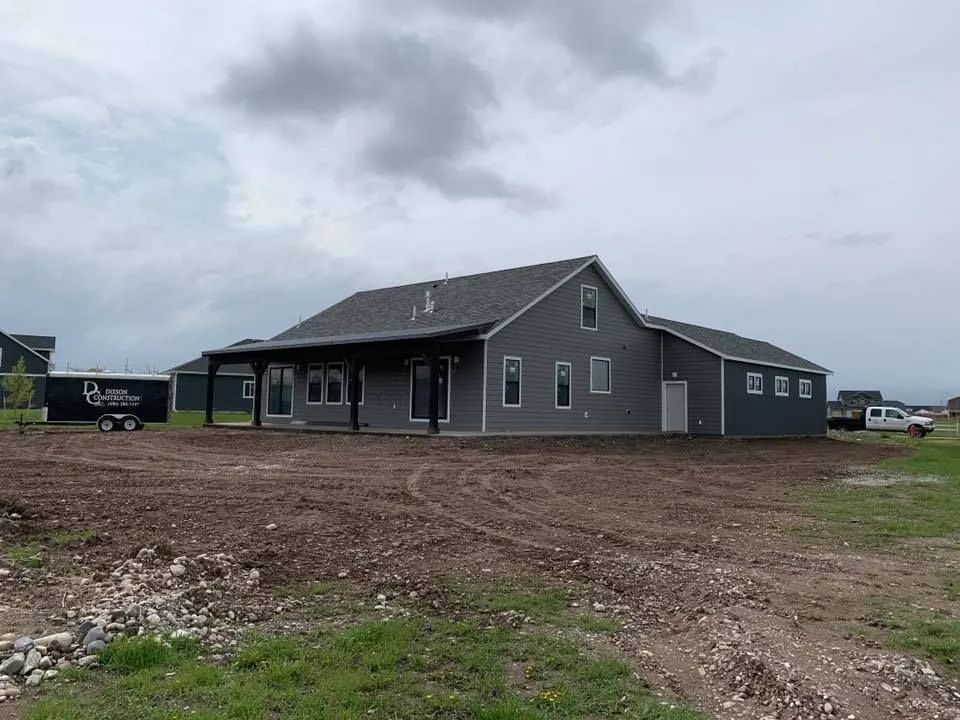
Your roof is one of the most critical components of your home, acting as the first line of defense against harsh weather, water intrusion, and structural damage. Despite its importance, many homeowners overlook regular inspections and maintenance until problems become visible—and often costly. Understanding the early signs of roof damage can save time, money, and stress while extending the life of your roofing system. Proactive identification of issues allows homeowners to address minor repairs before they escalate into major problems that compromise the safety and value of their property.
Roof damage can stem from a variety of causes, including severe weather, aging materials, improper installation, or unnoticed wear and tear over time. From leaking ceilings and missing shingles to sagging structures and mold growth, small indicators often precede serious issues. Recognizing these signs early not only helps preserve your home but also ensures that repair costs remain manageable. In this guide, we will explore practical, actionable strategies to identify roof damage, understand its causes, and take preventive measures. By implementing these insights, homeowners can maintain a secure, durable roof that protects their family and property for years to come.
1. Inspecting for Visible Damage
Shingles: Cracks, Curling, and Missing Pieces
Shingles serve as the primary barrier against water and external elements. Over time, exposure to sun, wind, and precipitation can cause shingles to crack, curl, or detach completely. Cracked shingles often allow water to seep beneath the roof surface, leading to leaks and potential interior damage. Curling shingles indicate aging or poor ventilation, reducing their effectiveness and increasing vulnerability during storms. Missing shingles create direct exposure to the underlying layers, significantly raising the risk of water intrusion and structural deterioration. Regular rooftop inspections, especially after severe weather, can help identify these visible signs before they escalate. Homeowners should also document any observed damage with photos to monitor progression over time and determine if immediate repairs are necessary.
Flashing Issues and Roof Joints
Flashing—the metal strips installed around chimneys, vents, and skylights—prevents water from seeping into vulnerable areas. Damaged, rusted, or improperly installed flashing can lead to leaks even when shingles appear intact. Roof joints, where different sections meet, are also prone to water intrusion. Gaps, loose nails, or deteriorating sealant around these areas signal the need for immediate attention. Timely repair or replacement of compromised flashing and joints ensures that your roof maintains a watertight barrier against potential damage. Additionally, using corrosion-resistant materials during repair or replacement can improve long-term durability and reduce the need for frequent maintenance.
2. Assessing Interior Signs of Roof Damage
Mold and Mildew Growth
Persistent moisture caused by roof leaks can create an environment conducive to mold and mildew growth. Mold is not only a structural concern but also poses health risks for residents, particularly those with respiratory issues. Spotting mold or a musty odor in the attic or upper rooms may indicate water penetration. Early detection is crucial, as mold remediation becomes increasingly complex and expensive if left untreated. Using a moisture meter or infrared camera can help homeowners detect hidden water accumulation, ensuring proper ventilation and preventing long-term damage.
3. Monitoring Roof Age and Material Lifespan
Lifespan of Common Roofing Materials
Different roofing materials have varying lifespans and maintenance requirements. Asphalt shingles typically last 20 to 30 years, while metal roofing can last 40 to 70 years, depending on quality and upkeep. Wood shingles and shakes may last around 25 to 30 years but are more susceptible to rot and insect damage. Understanding the expected lifespan of your roof material allows homeowners to anticipate when replacements or inspections should be prioritized. Being aware of manufacturer recommendations and scheduling inspections around the expected lifespan can prevent unexpected failures and ensure optimal roof performance.
Signs of Aging Roofs
Even if no visible damage is apparent, aging roofs naturally lose their effectiveness. Shingles may become brittle, granules may erode, and protective coatings may fade. An older roof is more vulnerable to wind uplift, leaks, and water damage. Regularly monitoring the age of your roof and comparing it to the manufacturer’s expected lifespan can help preempt costly repairs and ensure timely replacement before catastrophic failures occur. Performing small repairs on older roofs, such as replacing worn shingles or resealing flashing, can extend roof life while maintaining adequate protection.
4. Weather and Environmental Impact
5. Attic and Roof Structure Inspections
Ventilation and Insulation Issues
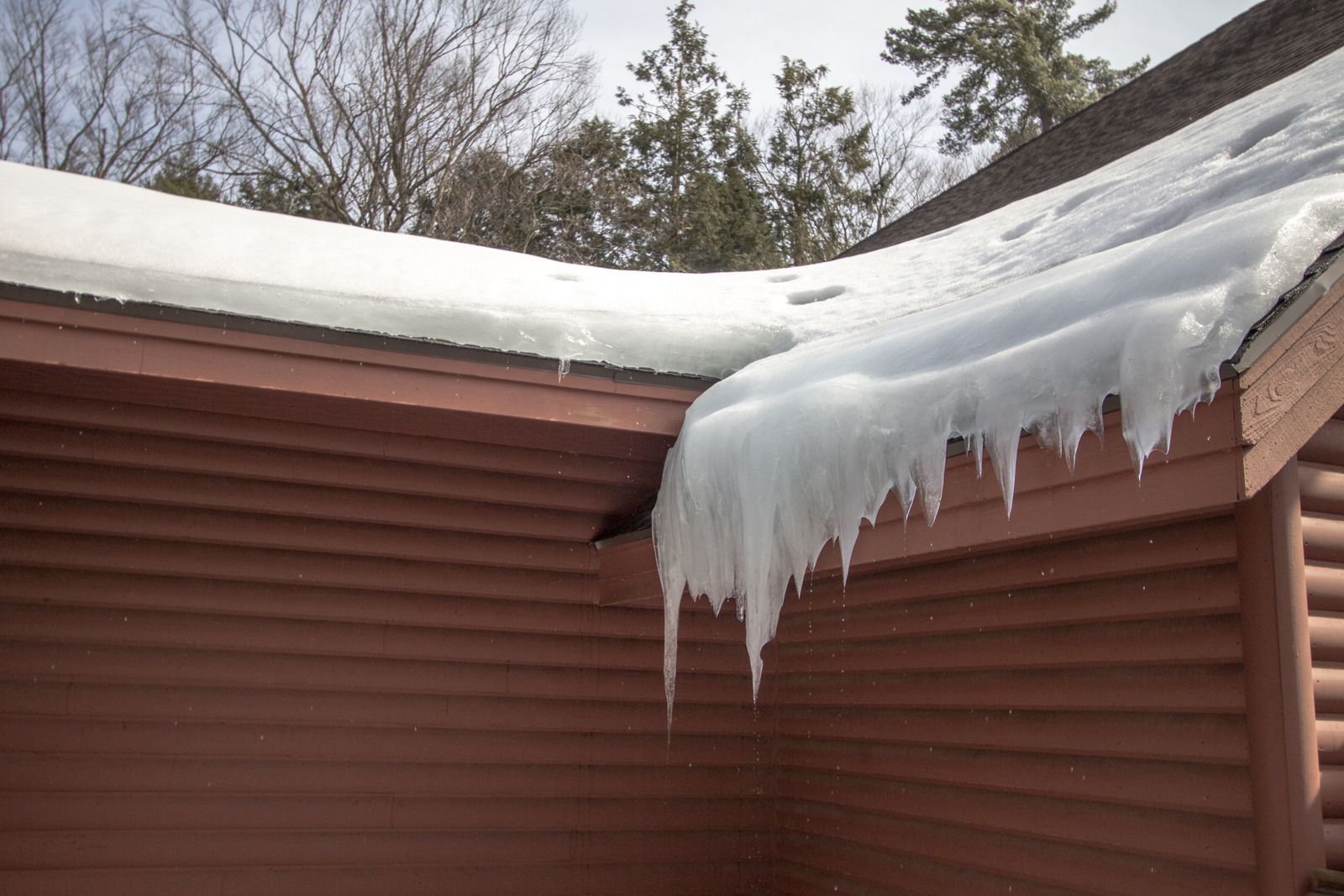
An often-overlooked aspect of roof health is the attic space. Poor ventilation can trap heat and moisture, accelerating the deterioration of roofing materials. Inadequate insulation may cause ice dams in colder climates, leading to water pooling and leaks. Checking attic ventilation and insulation ensures your roof functions efficiently and extends its service life. Additionally, installing ridge vents or improving airflow can prevent moisture buildup and reduce the risk of mold, condensation, and premature aging of roofing components.
Structural Deformation and Sagging
Sagging areas or visible deformation of the roof deck can indicate structural issues, often stemming from water damage or prolonged stress. Sagging may lead to compromised support beams, increased risk of leaks, and even roof collapse in severe cases. Regular inspections, either visually from the attic or with professional assistance, help identify structural weaknesses before they become dangerous. Reinforcing weakened areas promptly with professional guidance ensures both safety and longevity of the roof structure.
6. Professional Inspections and Preventive Maintenance
Routine Maintenance Best Practices
Expert Roofing Solutions You Can Trust
At Iron Horse Exteriors in Bozeman, Montana, we bring over 15 years of experience in safeguarding homes with durable, high-quality roofing solutions. Our team specializes in comprehensive roof inspections, timely repairs, and preventive maintenance plans tailored to each property’s unique needs. We combine professional expertise with personalized service to ensure your roof remains in optimal condition, protecting your family and investment. Whether addressing minor repairs or managing complete roof replacements, Iron Horse Exteriors delivers dependable results, unmatched attention to detail, and peace of mind. Our commitment to quality, transparency, and client satisfaction has made us a trusted choice for homeowners across the region. When it comes to roof protection and longevity, Iron Horse Exteriors is your reliable partner every step of the way.