When Is the Right Time to Re-Roof Your Home or Business?
February 23, 2026
A roof is more than just a shelter over our heads—it is a critical component that protects a home or business from the elements, ensures energy efficiency, and maintains the structural integrity of the building. Yet, despite its importance, many property owners struggle to identify when it’s time to invest in a new roof. Determining the right moment to re-roof can save considerable expense, prevent damage, and enhance property value. Understanding the signs of roof aging, the materials’ life expectancy, and the impacts of weather exposure is essential for any responsible property owner. With roofing costs and labor being significant investments, proactive planning often outweighs reactive repairs.
Re-roofing decisions are not solely about aesthetics; they are about safety, functionality, and long-term financial planning. A neglected roof can lead to water damage, mold growth, compromised insulation, and even structural failure. Conversely, timely replacement ensures uninterrupted protection, improved energy efficiency, and peace of mind. In this guide, we explore the key indicators, timing strategies, and best practices for when to re-roof your property. From understanding material lifespan to spotting subtle warning signs, this article provides actionable insights for homeowners and business owners seeking a practical, expert-driven approach to roofing decisions.
Understanding Roof Lifespan and Material Durability
How Long Do Roofs Last?
Roof longevity varies widely depending on the material, installation quality, and maintenance. Asphalt shingles, the most common residential choice, typically last 20 to 30 years. Metal roofing can exceed 50 years with proper care, while tile and slate roofs often last 75 years or more. Commercial roofs, such as flat TPO or EPDM systems, generally range from 15 to 25 years. Knowing the expected lifespan of your specific roofing material is the first step in planning a timely re-roofing project.
Factors That Influence Durability
Several factors impact how long a roof lasts. Climate is a major consideration: areas with heavy rainfall, snow accumulation, or intense sunlight can accelerate wear. Poor ventilation, low-quality installation, and lack of regular inspections also shorten lifespan. Even minor damage like missing shingles or rust spots can snowball into larger problems if left unattended. Property owners should combine material life expectancy with real-world conditions when evaluating roof replacement timing.
Real-World Scenario
Consider a residential home in a region with harsh winters. The asphalt shingle roof reaches 18 years, and repeated freeze-thaw cycles have caused subtle cracking. Waiting until the 25th year could result in water leaks and interior damage, leading to more costly repairs. Proactive re-roofing in the late teens ensures protection while minimizing unexpected expenses.
Recognizing Warning Signs That Re-Roofing Is Needed
Professional Assessment
While homeowners can identify obvious signs, professional roofing inspections provide a thorough evaluation. Experts can detect less visible problems such as compromised underlayment, damaged flashing, or subtle roof deck issues. Routine inspections every few years, especially for older roofs, help property owners plan replacement projects strategically rather than reactively.
Timing Considerations for Re-Roofing
Seasonal Planning
Timing re-roofing projects with the seasons can impact cost, quality, and convenience. Spring and fall are often ideal because weather conditions are stable, reducing the risk of delays. Extreme summer heat can affect asphalt shingles’ installation, while winter ice or moisture can interfere with adhesives and roofing materials. Understanding seasonal trends allows property owners to schedule re-roofing at the optimal time.
Financial Planning and Budgeting
Roof replacement is a significant investment, often ranging from thousands to tens of thousands of dollars. Early planning allows property owners to budget, seek financing, and compare contractors without rush decisions. Delaying replacement until a roof fails often results in emergency repairs that are costlier and less predictable.
Minimizing Disruption
For businesses, timing a roof replacement is about operational continuity. Scheduling during low-traffic periods or off-season months reduces disruption to employees, customers, or tenants. Residential homeowners may consider coordinating roofing work around family schedules, avoiding major holidays or extreme weather.
Benefits of Timely Re-Roofing
Best Practices for Planning Your Roof Replacement
Conduct Regular Inspections
Routine inspections—ideally twice a year and after severe weather—help identify minor issues before they become critical. Professional inspectors can spot hidden damage and recommend targeted repairs or replacement timing.
Prioritize Quality Materials and Installation
The lifespan and performance of a roof depend heavily on materials and installation quality. Choose reputable brands and experienced contractors. High-quality shingles, metal panels, or membranes may cost more initially but offer better durability and reduced maintenance over time.
Consider Roofing Upgrades
Re-roofing presents an opportunity to improve functionality. Upgrading ventilation systems, insulation, or incorporating reflective coatings can extend roof life, enhance energy efficiency, and improve interior comfort. Property owners should evaluate these options during the planning phase.
Obtain Multiple Quotes and References
Engage several contractors to compare pricing, materials, and warranties. Verify references, review previous projects, and ensure contractors are licensed and insured. Transparent communication and clear contracts prevent misunderstandings and ensure the project meets expectations.
Timing Re-Roofing for Safety
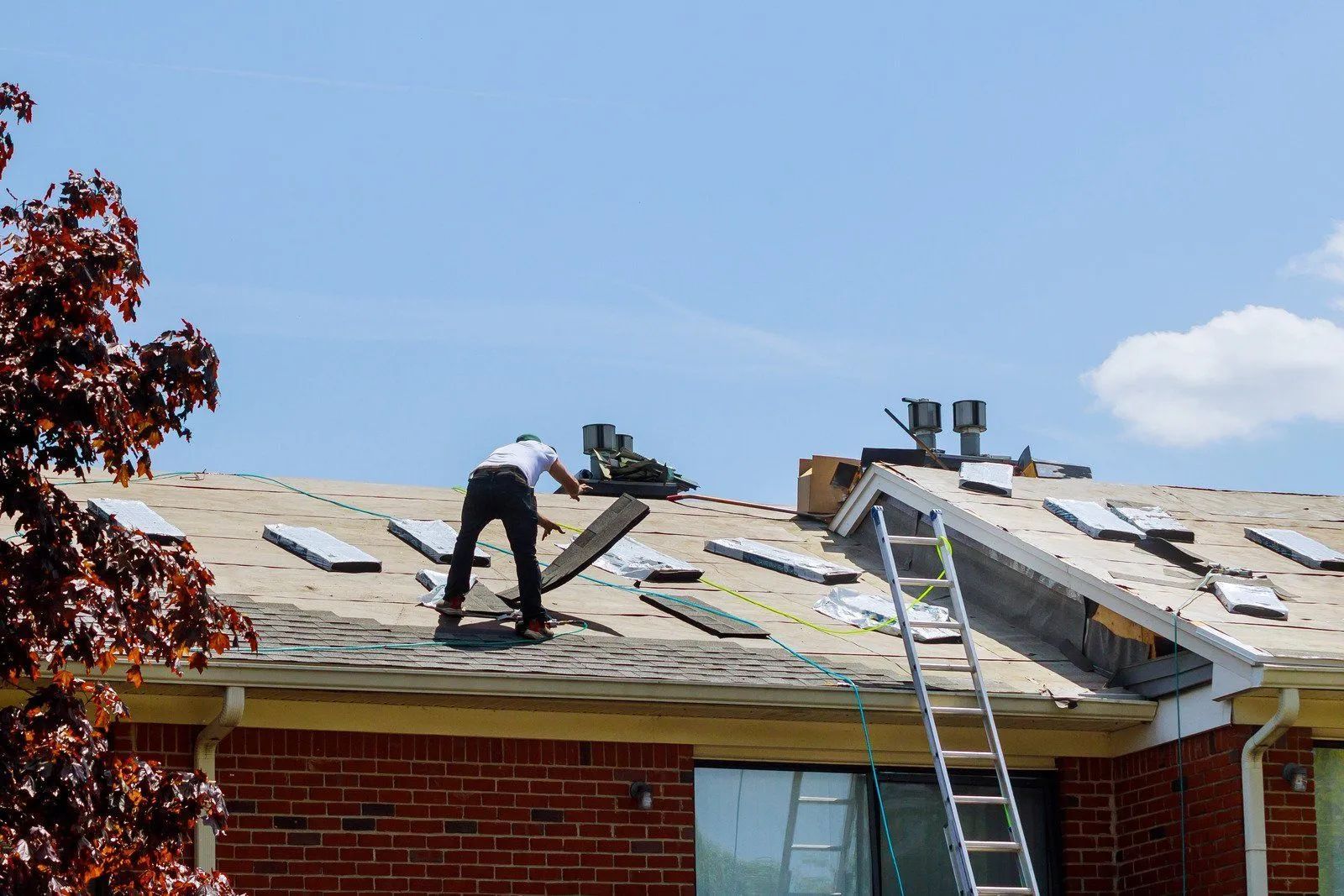
Roofing work involves significant risks. Property owners should prioritize safety by hiring professional teams with proper equipment, insurance, and adherence to OSHA standards. Avoid attempting DIY replacements for complex roofing systems, as this can lead to injury and inadequate results.
Challenges and Considerations in Roof Replacement
Environmental and Sustainability Considerations
Experienced Professionals Committed to Superior Roof Protection
Recognizing the right time to re-roof a home or business is a strategic decision that blends safety, functionality, and financial foresight. By understanding material lifespans, spotting early warning signs, and planning strategically around budget and seasonal considerations, property owners can avoid costly emergency repairs and maximize the value of their investment. Timely re-roofing ensures protection against the elements, enhances energy efficiency, and supports long-term property preservation. Ignoring roof maintenance or delaying replacement can lead to structural damage, operational disruption, and increased financial burdens.
For property owners in Bozeman, Montana, who seek expert guidance and reliable roofing solutions, Iron Horse Exteriors
offers 15+ years of experience delivering high-quality siding and exterior services. Our team combines industry expertise with a commitment to customer satisfaction, ensuring every project meets rigorous standards for durability, safety, and aesthetics. We guide homeowners and businesses through the entire process—from inspection and material selection to installation and final inspection—ensuring your roof not only protects your property but also enhances its value. Trust Iron Horse Exteriors
to provide personalized solutions, expert craftsmanship, and dependable service for all your roofing and exterior needs. With our proven track record and local insight, your property is in capable, professional hands.