Top Considerations for Choosing a Commercial Roofing System That Lasts
January 27, 2026
Selecting the right roofing system is a critical decision for any commercial property owner. Unlike residential roofing, commercial roofs face unique challenges, including larger surface areas, heavier foot traffic for maintenance, and exposure to harsh environmental conditions. A poor choice can lead to frequent repairs, increased operational costs, and even structural damage that disrupts business operations. Understanding the factors that contribute to a durable, long-lasting commercial roof is essential for property managers, building owners, and construction professionals alike.
The commercial roofing industry offers a wide variety of materials, installation methods, and maintenance requirements, each tailored to specific building types and budgets. From flat and low-slope roofs to steep-slope systems, the options are extensive, making informed decision-making crucial. A carefully chosen commercial roofing system not only protects assets but also enhances energy efficiency, safety, and overall property value. This blog explores the top considerations for selecting a commercial roofing system that stands the test of time. By understanding materials, structural compatibility, environmental factors, cost implications, and maintenance strategies, property owners can make decisions that reduce long-term risks while maximizing performance and sustainability.
1. Understanding Roof Types and Structural Compatibility
Flat and Low-Slope Roofs
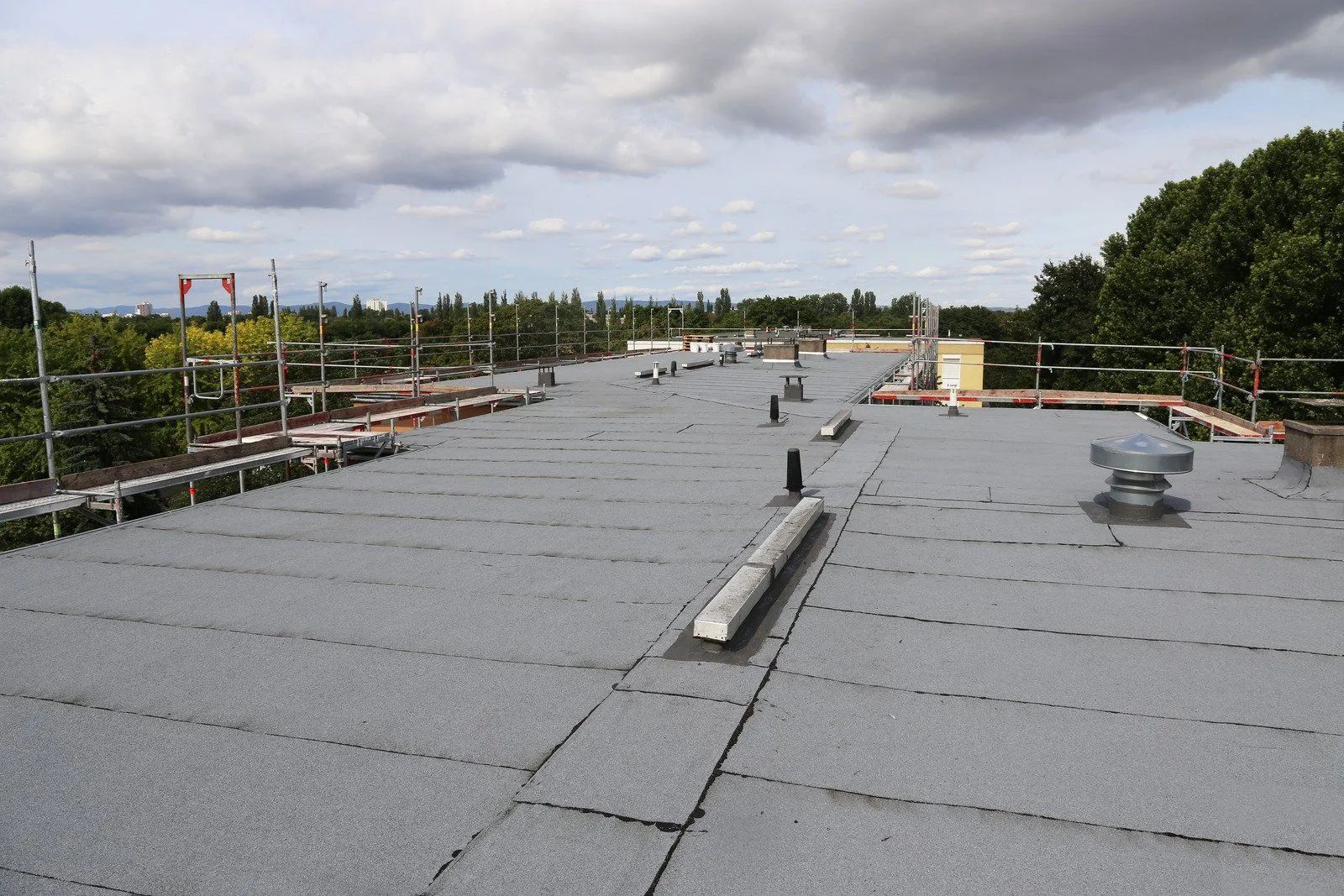
Flat and low-slope roofing systems are common in commercial construction due to their cost-effectiveness and ease of installation. Popular materials for these roofs include thermoplastic polyolefin (TPO), ethylene propylene diene monomer (EPDM), and built-up roofing (BUR). These systems are highly effective for large buildings but require careful consideration of drainage and structural load. Poorly installed low-slope roofs are prone to water pooling, which accelerates wear and can lead to leaks.
Steep-Slope Roofs
Steep-slope commercial roofs are often used in retail, office, and hospitality projects where aesthetics and architectural appeal are priorities. Materials such as metal, slate, or asphalt shingles provide durability and a visually appealing finish. However, they demand proper underlayment, flashing, and attention to wind uplift factors to ensure longevity. Selecting a roof type compatible with the building’s structure, load capacity, and intended use is fundamental to long-term performance.
Structural Load Considerations
Every roofing material has a weight profile, and the building’s framework must accommodate it safely. Heavier materials like metal or slate require reinforced decking and support structures, whereas lightweight membranes may need fewer structural modifications. Collaborating with a structural engineer can prevent costly mistakes, ensuring that the roof not only fits aesthetically but also functions safely under all conditions.
2. Material Durability and Longevity
Fire and Chemical Resistance
Some commercial buildings are at higher risk of fire hazards or exposure to chemicals, such as warehouses, factories, and laboratories. Fire-rated roofing systems, such as metal or modified bitumen with fire-resistant layers, provide an added safety benefit. Similarly, materials resistant to chemical spills or pollutants extend roof longevity and reduce potential liability for property owners.
3. Energy Efficiency and Insulation Benefits
Reflective Roofing and Cool Roofs
Energy-efficient roofing is a growing priority for commercial property owners aiming to reduce utility costs and meet sustainability goals. Reflective roofs, commonly TPO or white EPDM, can significantly lower roof surface temperatures, reducing the heat load inside the building. This “cool roof” effect helps maintain consistent indoor temperatures and decreases HVAC energy consumption.
Insulation and Thermal Performance
Insulation is integral to the overall performance of a commercial roofing system. Roof systems that incorporate rigid insulation boards or spray foam layers not only improve energy efficiency but also enhance occupant comfort. For warehouses and office spaces, proper insulation reduces heating and cooling costs and protects stored materials from temperature-sensitive damage.
Incentives and Certifications
Many commercial property owners benefit from tax incentives, rebates, or certifications, such as LEED or ENERGY STAR, when installing energy-efficient roofing. These programs can offset upfront costs while enhancing the property’s market value. When choosing a commercial roofing system, evaluating energy efficiency benefits alongside cost and durability is essential for achieving long-term financial and environmental gains.
4. Cost Considerations and Return on Investment
5. Installation Quality and Contractor Expertise
Importance of Professional Installation
Even the best roofing materials can fail if improperly installed. Precise installation ensures proper sealing, flashing, and adherence, preventing leaks, structural damage, and premature wear. Commercial roofing installation often involves specialized techniques that require experienced crews and certified contractors familiar with the chosen material.
Evaluating Contractor Credentials
Property owners should prioritize contractors with proven track records, manufacturer certifications, and positive client references. Experienced professionals not only execute high-quality installations but also provide valuable insights on material selection, ventilation, and compliance with local building codes. Poor installation is one of the leading causes of early roof failure and costly repairs.
Warranty and Manufacturer Support
Roofing warranties are essential for long-term protection. Comprehensive warranties cover both material defects and installation issues, giving property owners peace of mind. When selecting a contractor, confirm that warranties are fully supported and that the company has a history of honoring claims. This ensures that investments are protected against unforeseen problems.
6. Maintenance, Inspection, and Adaptability
Preventive Maintenance Strategies
Adaptability and Future Upgrades
Trusted Experts Ensuring Long-Lasting Commercial Roofs
For commercial property owners in Bozeman, Montana, Iron Horse Exteriors stands as a trusted authority in durable roofing solutions. With over 15 years of experience, Iron Horse Exteriors specializes in assessing, recommending, and installing commercial roofing systems designed to withstand Montana’s varied climate. Our team prioritizes quality materials, precise installation, and ongoing maintenance strategies to maximize roof longevity and performance. We understand that every commercial building is unique, and we work closely with clients to tailor roofing solutions that meet structural requirements, budget considerations, and aesthetic goals.
From flat and low-slope membranes to steep-slope metal and shingle systems, Iron Horse Exteriors
combines technical expertise with practical experience to deliver exceptional results. Our commitment extends beyond installation, offering professional guidance on energy efficiency, warranty protection, and preventive maintenance to ensure your investment remains secure for decades. Choosing Iron Horse Exteriors
means partnering with a team dedicated to excellence, reliability, and long-term value, making us the preferred choice for commercial roofing projects throughout Bozeman and the surrounding areas.